

Catalyst Grant Winners
Six innovative research projects receive support to advance new ideas in vision science.

Turning Science into Sight: Funding Bold Research
Big ideas can lead to breakthroughs. And this year, Fighting Blindness Canada (FBC) is investing in the researchers asking bold questions that could change what’s possible for people living with vision loss. We’re excited to announce the 2026 Catalyst Grant Competition winners.
The award recipients will receive critical funding to test promising ideas, generate new evidence and help us better understand, diagnose and treat blinding eye diseases. It’s this kind of research that has already helped make 75 per cent of vision loss preventable or treatable with early detection and intervention.
This year, the response was especially encouraging. FBC received more applications than anticipated from researchers across Canada — a powerful sign of the momentum, innovation and ambition within Canada’s vision research community.
Each proposal underwent a rigorous peer-review process involving leading Canadian and international experts. From an outstanding field of applicants, six projects were ultimately recommended for funding, receiving more than $1.19 million over two years. Several of this year’s projects also build directly on discoveries made possible through previous FBC funding.
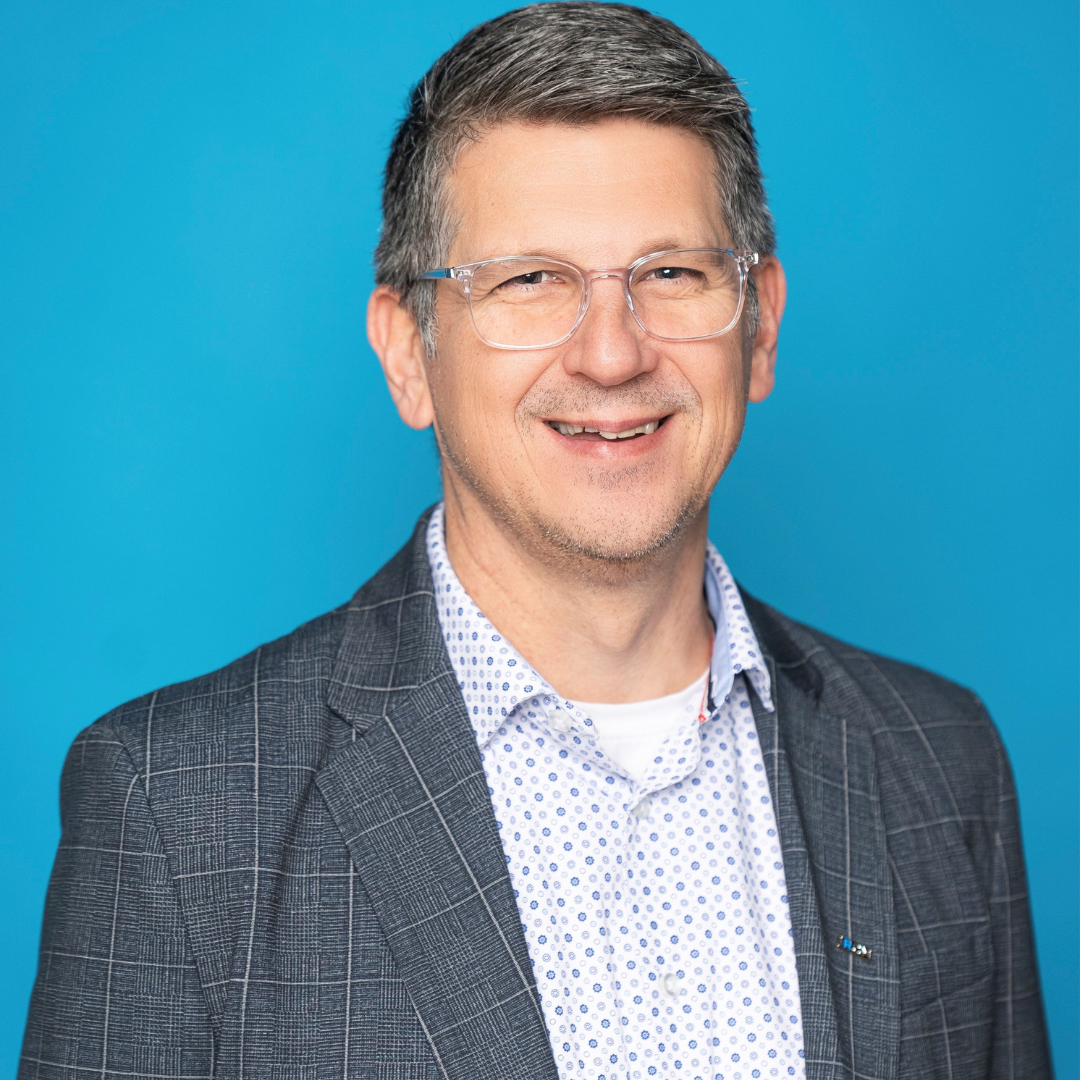
Dr. Michel Cayouette
BCOR-associated Inherited Retinal Degeneration: From Pathogenic Mechanism to Precision Repair
Institution: Montreal Clinical Research Institute (IRCM)
Funding: $200,000
Research Focus: IRD | Discovery Research
This project builds on previous Fighting Blindness Canada-funded research that helped identify mutations in the BCOR gene as a newly recognized cause of inherited retinal diseases (IRDs), defining a new form of early-onset inherited blindness.
Dr. Cayouette’s team has developed unique animal models carrying these mutations, providing the first opportunity to understand how they cause retinal degeneration. Researchers will investigate what goes wrong in the retina when BCOR is mutated and how it leads to vision loss. This work will establish the first proof-of-concept therapy for BCOR-associated retinitis pigmentosa (RP) while advancing our understanding of how different genetic mutations lead to inherited blindness, with potential implications for developing treatments for other IRDs. Because BCOR is a type of protein that controls which genes are turned on or off, understanding which genes are impacted when BCOR is mutated could give us a broader understanding of genes important for retinal health and other IRDs.
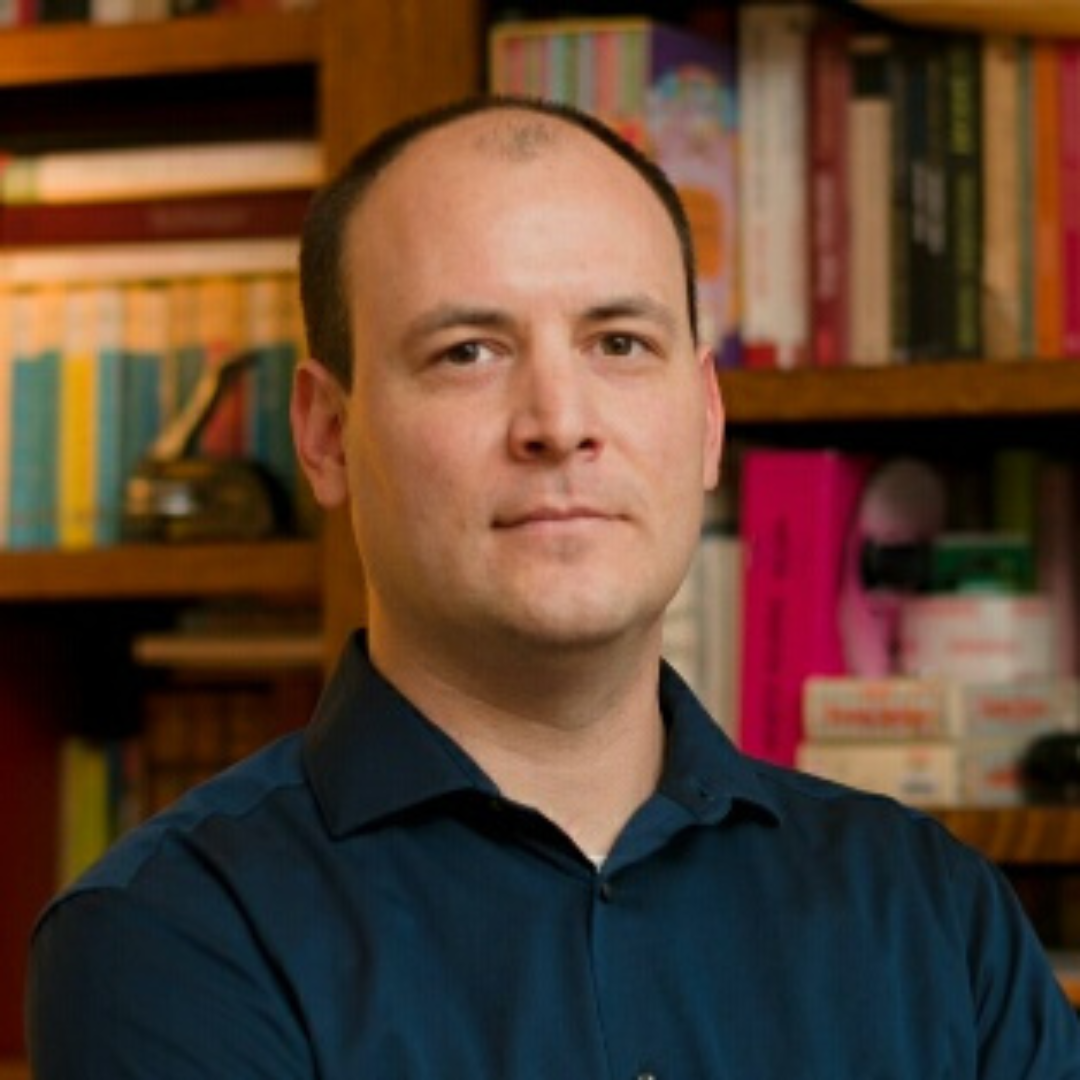
Dr. Mark Currie
Investigating the molecular mechanisms of Pax6-related eye disorders
Institution: University of Toronto
Funding: $200,000
Research Focus: Eye development | Discovery Research
Led by Dr. Currie, an early-career investigator, this project seeks to answer a fundamental question about how the PAX6 gene controls normal eye development. PAX6 is one of the master regulators of eye development, and mutations in this gene are associated with a range of inherited eye diseases, including aniridia, as well as developmental disorders affecting the brain and central nervous system.
Using advanced structural biology and cellular models, Dr. Currie’s team will investigate how PAX6 functions and how disease-causing mutations disrupt its activity. By providing a fundamentally new understanding of this critical gene, the research will generate foundational knowledge relevant to a broad range of eye diseases and establish a platform for developing future therapies.
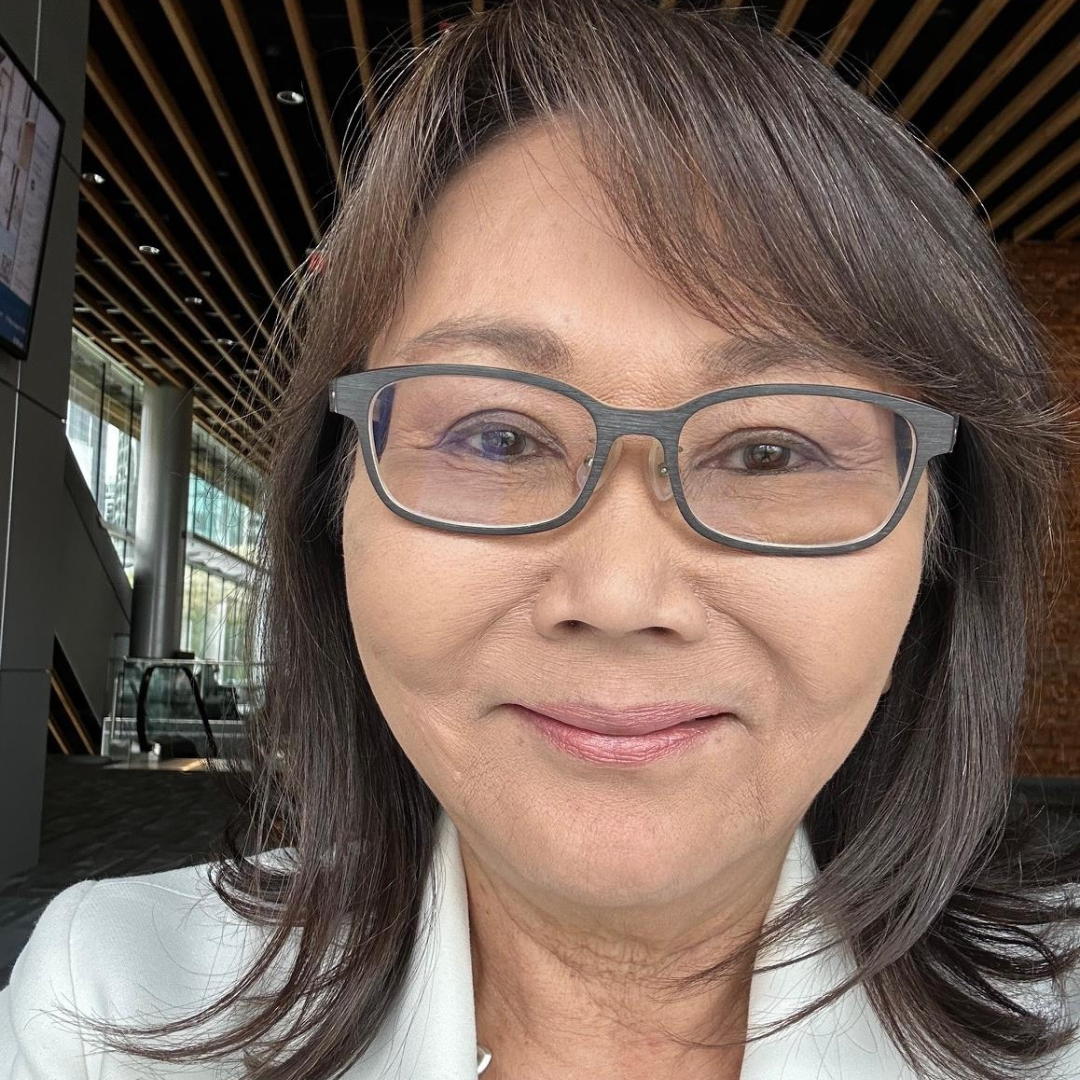
Dr. Joanne Matsubara
Reframing Intermediate AMD: Genetic Risk, Proteases, and Matrix Breakdown
Institution: University of British Columbia
Funding: $198,000
Research Focus: AMD | Translational Research
This project focuses on intermediate age-related macular degeneration (AMD), a critical stage of disease where vision is often still preserved and treatment has the greatest potential to prevent future vision loss.
Building on preliminary findings, the research team will test a novel hypothesis that specific genetic risk factors contribute to early tissue damage in the retina, and drive disease progression. By combining advanced retinal imaging, genetic analysis, blood biomarkers, and laboratory studies, Dr. Matsubara’s team will determine whether these biological changes directly contribute to AMD rather than simply occurring alongside it. This approach has the potential to improve our understanding of how AMD begins, identify new treatment targets, and support the development of therapies that prevent vision loss before irreversible retinal damage occurs.
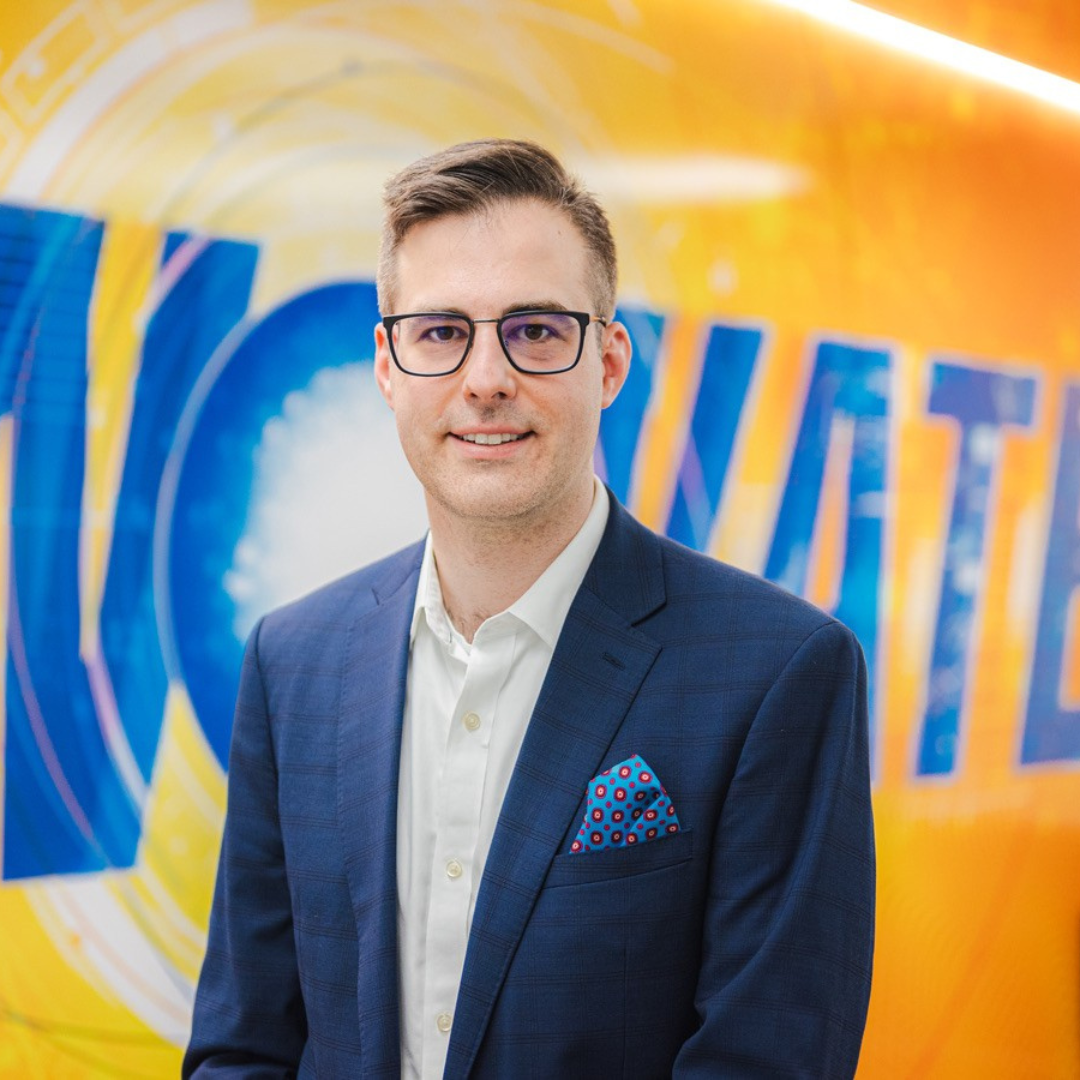
Dr. Darius Rackus
Point-of-Care Test for Vascular Endothelial Growth Factor in Aqueous Humor
Institution: Toronto Metropolitan University
Funding: $200,000
Research Focus: AMD | Translational Research
Dr. Rackus and their research team are developing a novel biosensor to improve the treatment of neovascular or wet AMD by enabling more personalized treatment decisions.
Current treatment relies primarily on retinal imaging to determine when anti-VEGF injections are needed, which can result in some individuals receiving treatment too early while others are treated too late. The team will develop a point-of-care sensor that measures VEGF, the key protein driving disease, from a small eye fluid sample collected during routine clinic visits. Using samples collected from more than 100 individuals with AMD, the researchers will determine whether changes in VEGF can predict disease recurrence before it is visible on imaging. If successful, this approach could reduce unnecessary treatments, identify disease recurrence earlier, and transform how clinicians personalize care for individuals living with AMD.
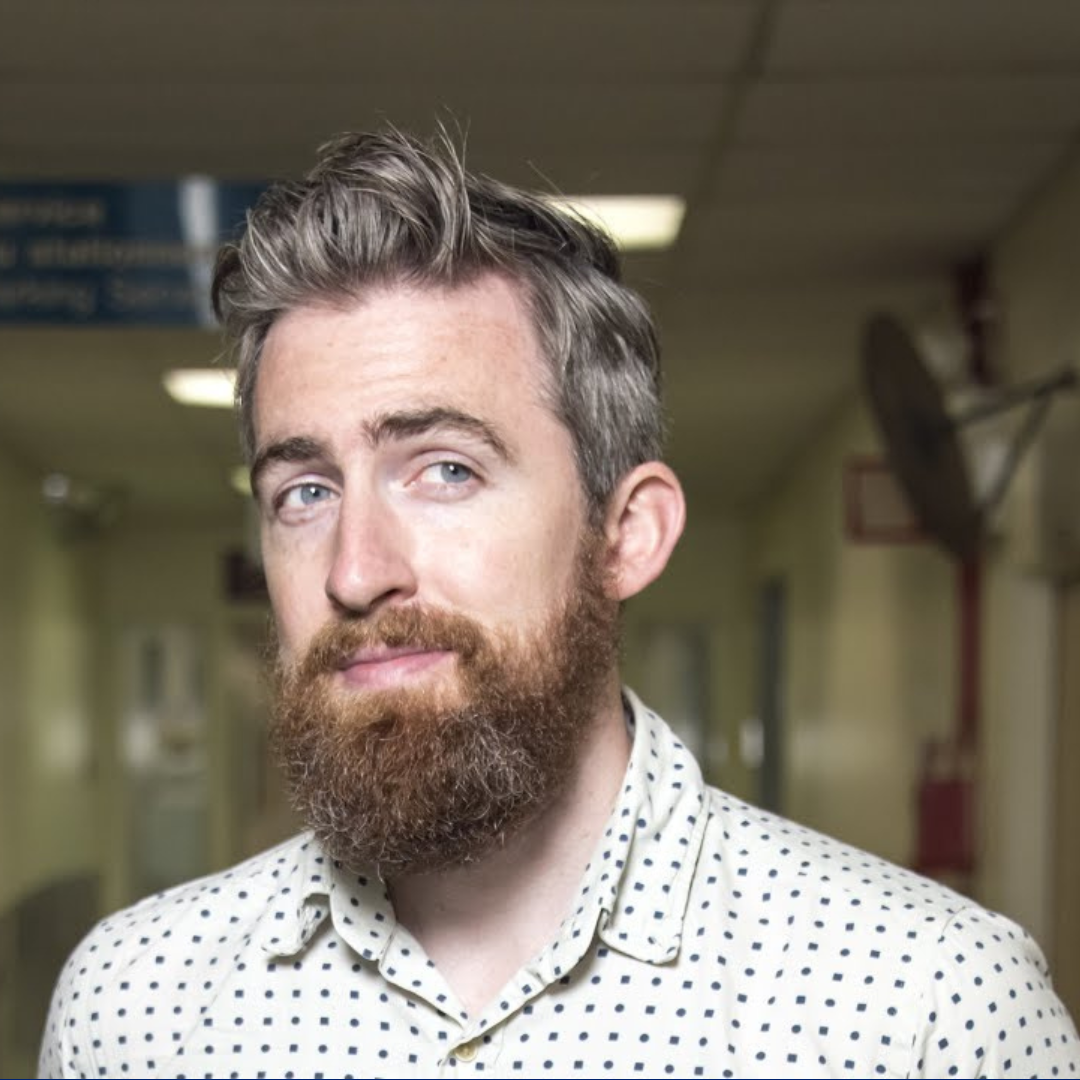
Dr. Stuart Trenholm
How does vision loss impact cortical processing of subsequently restored retinal signals?
Institution: McGill University
Funding: $200,000
Research Focus: Vision restoration | Discovery research
This project investigates an important challenge facing emerging vision restoration therapies for IRDs: once retinal function is restored, will the brain be able to correctly interpret the returning visual signals? While many new treatments aim to repair or replace the retina, much less is known about how the brain responds when vision is restored.
Using an innovative animal model, Dr. Trenholm’s research team will examine how the timing of vision loss affects the brain’s ability to process restored visual information and identify critical periods during which treatment may be most effective. The findings will improve our understanding of brain plasticity and could help optimize future gene, cell, prosthetic, and pharmacological therapies designed to restore vision in people living with IRDs.
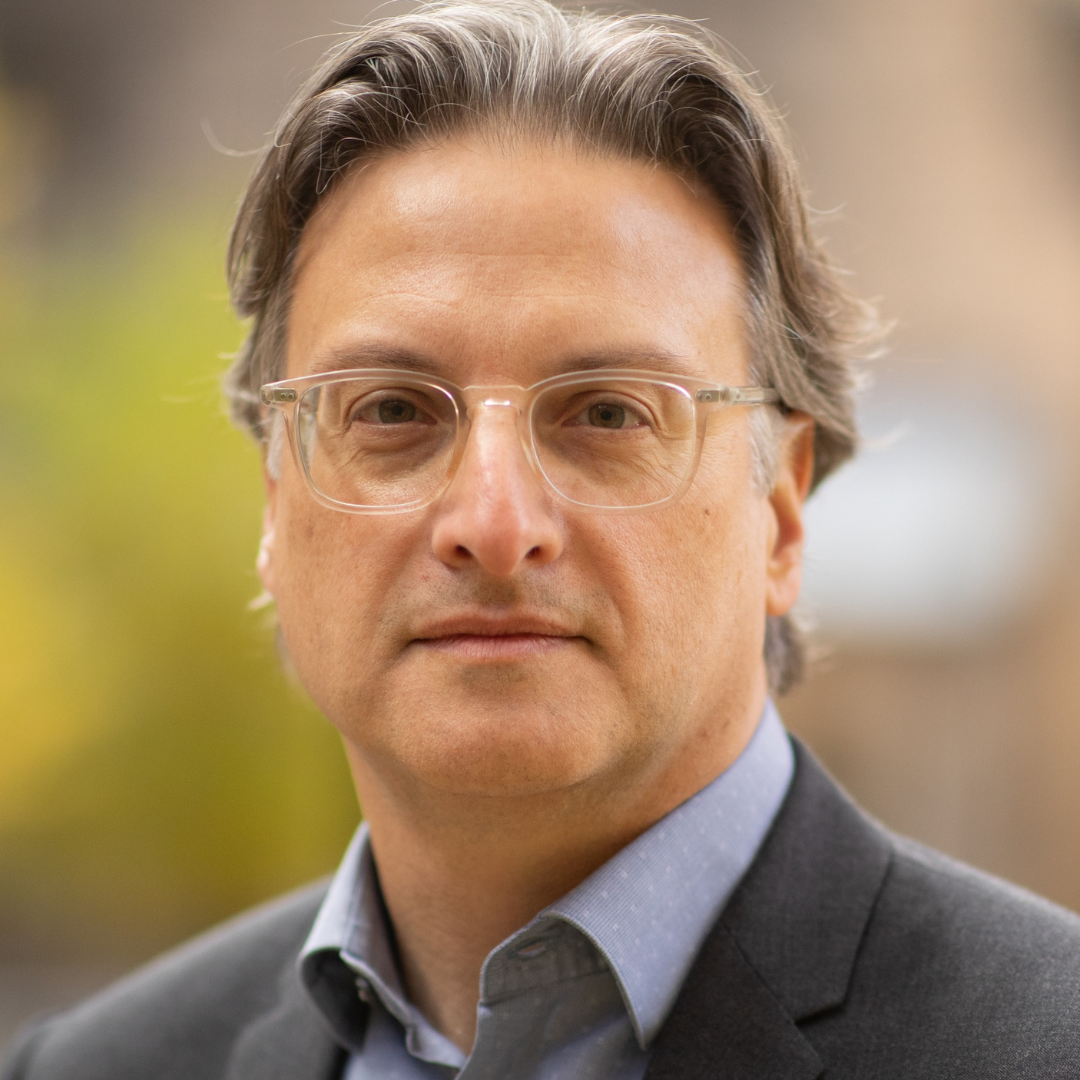
Dr. Vince Tropepe
Isoform specific protein interactions of the Usher Syndrome type 1F (USH1F) protein Protocadherin-15 in photoreceptors
Institution: University of Toronto
Funding: $188,600
Research Focus: IRD | Discovery Research
This project builds on previous Fighting Blindness Canada-funded research that helped uncover how mutations in the PCDH15 gene cause vision loss in Usher syndrome type 1F, a rare inherited condition that causes deafness, balance problems, and progressive blindness.
Using a unique zebrafish model developed through this earlier work, Dr. Tropepe’s team discovered that the retina relies on a previously unrecognized, eye-specific form of the PCDH15 protein that is essential for photoreceptor health. This project will identify the proteins that work with this eye-specific form and test whether restoring its function can prevent retinal degeneration. The findings will establish the foundation for future therapies aimed at preserving vision in individuals with Usher syndrome type 1F and may provide new insights into the mechanisms underlying related retinal diseases.

Support More Research
This year, we received many more grant applications worthy of pursuit than we had available funding for. Help us fund even more research in the future. Any donations made before Dec. 31, 2026 will be doubled.
Join the Fight!
Learn how your support is helping to bring a future without blindness into focus! Be the first to learn about the latest breakthroughs in vision research and events in your community by subscribing to our e-newsletter that lands in inboxes the beginning of each month.