
Mar 4, 2026
Women Advancing Vision Health Research
Leading Discovery, Driving Change
March 8 is International Women’s Day and we wanted to take the opportunity to highlight some woman in vision health research who are shaping the future of how eye disease is understood, treated and prevented. Although women now make up a growing share of the scientific workforce, they remain under-represented in senior research leadership and funding.
Breakthroughs in vision health depend on talented scientists from every background. Increasingly, women researchers are leading some of the most promising advances — they are asking bold questions, challenging long-held assumptions, and translating discovery into real-world progress.
Each year, the global research community recognizes the importance of supporting and celebrating women in science — a reminder that diverse leadership strengthens discovery and accelerates impact.
We’ve highlighted just a few of the women who are making an impact in vision research below.
Dr. Brittany Carr, University of Alberta

Understanding why vision deteriorates at the cellular level is essential to developing effective therapies. Dr. Brittany Carr’s research focuses on PROM1, a gene critical to the health and function of photoreceptors. Mutations in PROM1 are linked to inherited retinal diseases that progressively erode sight.
By investigating how PROM1 functions in the eye — and what goes wrong when it doesn’t — Dr. Carr is helping to unravel the biological mechanisms that underlie vision loss. Her work provides foundational insight that could inform future gene-based or regenerative therapies, offering hope to families affected by inherited eye disease.
Dr. Mélanie Hébert, Université Laval

Clinical trials are where research meets reality. Dr. Mélanie Hébert is leading a clinical trial to test strategies for retinal detachment, a medical emergency that can result in severe vision loss if not treated effectively.
By rigorously evaluating surgical and clinical approaches, Dr. Hébert’s work aims to improve patient outcomes and inform best practices in ophthalmic care — ensuring that research translates directly into better vision preservation for patients.
Dr. Lia Huo, University of Toronto

Dr. Lia Huo is advancing a gene-agnostic neuroprotection strategy for retinitis pigmentosa, a condition caused by many different genetic mutations.
Using human retinal organoids and a slow-release hydrogel delivery system, her research investigates the protective mechanisms of a vision-preserving protein called RdCVF. This approach holds promise for therapies that could benefit a broad range of patients — regardless of their specific genetic mutation.
Dr. Anne Xuan-Lan Nguyen, University of Montreal, University of Toronto & University of Oxford

Dr. Anne Xuan-Lan Nguyen’s research explores immune mechanisms in thyroid eye disease, with a focus on preventing dysthyroid optic neuropathy — a severe complication that can lead to permanent blindness. By identifying how immune pathways contribute to optic nerve damage, her work aims to inform earlier intervention strategies and preserve sight before irreversible injury occurs.
Dr. Johane Robitaille, IWK Health Centre
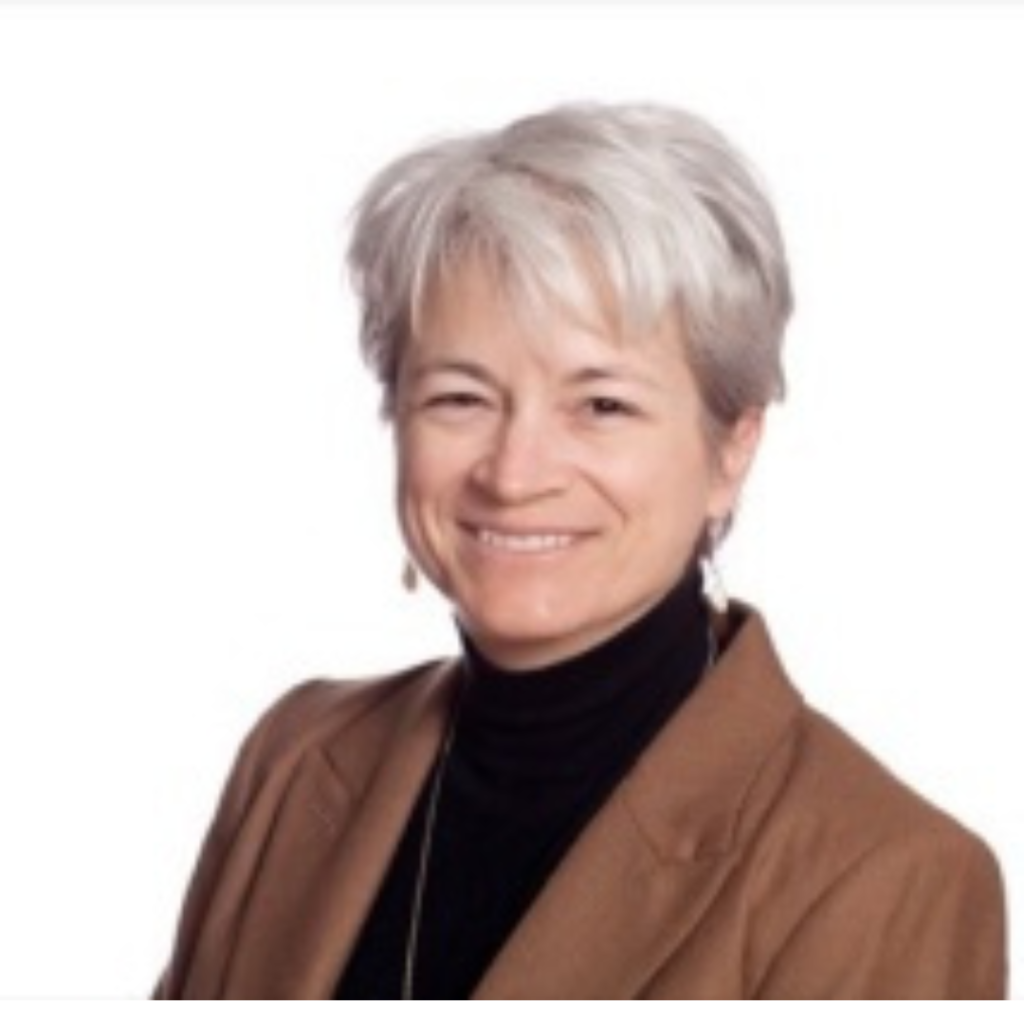
Progress in vision health research depends not only on discovery, but on collaboration. Dr. Johane Robitaille leads the Nova Scotia site of the Fighting Blindness Canada Inherited Retinal Disease Patient Registry, helping to ensure that high-quality data informs research, clinical care, and future trials.
A past reviewer for Fighting Blindness Canada, Dr. Robitaille brings a critical, community-minded perspective to the research ecosystem. Her work strengthens the infrastructure that allows science to move faster and more responsibly — connecting patients, clinicians, and researchers.
Looking Ahead
From decoding the genetics of vision loss to protecting neurons, strengthening research infrastructure, and improving clinical care, women in vision health research are driving meaningful progress at every level. Their leadership is expanding what’s possible — scientifically, clinically, and collaboratively.
As the vision research community continues to grow and evolve, these women exemplify the innovation, rigor, and compassion needed to move closer to a future without vision loss. Their work reminds us that when diverse voices lead discovery, the benefits extend far beyond the lab — reaching patients, families, and communities everywhere.
Join the Fight!
Learn how your support is helping to bring a future without blindness into focus! Be the first to learn about the latest breakthroughs in vision research and events in your community by subscribing to our e-newsletter that lands in inboxes the beginning of each month.